Silk vs Satin Pillowcases: What’s the Difference?
Silk and satin pillowcases may look similar at first glance. Both have a smooth surface, a subtle sheen, and a softer feel than many traditional cotton pillowcases.
But silk and satin are not the same thing.
One describes a natural fiber. The other describes a type of weave. That distinction can affect how a pillowcase feels, breathes, wears, and fits into your nightly routine.
If you are deciding between a silk and satin pillowcase, this guide explains the differences without the marketing noise—so you can choose the option that best suits your preferences, budget, and sleeping habits.
The Short Answer: Silk Is a Fiber, Satin Is a Weave
The most important difference is simple:
-
Silk is a natural fiber produced by silkworms.
-
Satin is a weaving technique that creates a smooth, glossy surface.
Satin can technically be woven from silk. However, most affordable satin pillowcases sold today are made from synthetic fibers such as polyester.
This means that a product labeled “satin” is not necessarily silk. To understand what you are buying, always check the fiber-content label.
Silk vs Satin Pillowcases at a Glance
| Feature | Silk Pillowcase | Common Polyester Satin Pillowcase |
|---|---|---|
| Material | Natural protein fiber | Synthetic fiber |
| Surface | Smooth, soft and naturally lustrous | Smooth and glossy |
| Breathability | Generally more breathable | Varies; may feel warmer to some sleepers |
| Temperature feel | Often feels cool and comfortable | Can retain more warmth depending on construction |
| Hair friction | Low | Low |
| Skin feel | Soft and gentle | Smooth, but may feel less natural |
| Care | Requires gentle washing | Usually easier to wash |
| Price | Higher | More affordable |
| Best suited for | Natural-material preference and long-term comfort | Budget-conscious shoppers and easy care |
Both options can provide a smoother sleeping surface than many conventional pillowcases. The right choice depends on what matters most to you.

What Is a Silk Pillowcase?
A genuine silk pillowcase is made from silk fibers rather than simply having a shiny finish.
Mulberry silk is widely used in premium bedding because its fibers can be woven into a smooth, lightweight fabric with a soft, natural luster. Silk quality is often described using momme, a measurement related to the fabric’s weight and density.
For pillowcases, 22 momme offers a practical balance between softness, substance, and durability. It feels smooth and refined without being excessively heavy.
When shopping for a silk pillowcase, look beyond words such as “silky,” “satin-like,” or “luxury feel.” Check whether the product clearly states:
-
100% silk or 100% mulberry silk
-
The momme weight
-
Whether both sides are made from silk
-
The closure design
-
Specific washing instructions
Clear material information makes it easier to compare products fairly.
What Is a Satin Pillowcase?
Satin refers to the way a fabric is woven, not the fiber from which it is made.
The satin weave places more threads across the surface of the fabric, creating its recognizable smoothness and shine. Satin can be made from silk, polyester, nylon, or other fibers.
In today’s bedding market, most lower-priced satin pillowcases are made from polyester. These pillowcases can still feel smooth and may help reduce friction compared with rougher fabrics. They are also generally affordable and easy to maintain.
For someone who wants a smooth pillowcase at a lower price, polyester satin can be a reasonable place to start. However, its breathability, temperature feel, and overall texture may differ from natural silk.
Which Is Better for Hair?
Both silk and satin offer a smoother surface than many traditional woven fabrics. This may reduce pulling, rubbing, and friction as your hair moves against the pillow during sleep.
For people with curly, textured, dry, or easily tangled hair, a smoother pillowcase may help hair feel less disturbed in the morning. However, neither silk nor satin can prevent every tangle, eliminate breakage, or replace an appropriate hair-care routine.
The difference is mainly in the overall experience.
Polyester satin provides a smooth surface at an accessible price. Silk combines a low-friction surface with the feel and breathability of a natural fiber.
If your main concern is simply reducing friction while keeping costs low, satin may be sufficient. If you also value natural materials, breathability, and a more refined hand feel, silk may be the better long-term choice.

Which Is Better for Skin?
A smooth pillowcase can feel gentler against the face than a rough or heavily textured fabric. Less surface friction may be especially appealing to people who move frequently during sleep or prefer a softer contact surface.
Silk is often chosen because it feels smooth without the distinctly synthetic sensation that some polyester fabrics can have. Its natural fiber structure also gives it a different relationship with heat and moisture than synthetic satin.
Still, it is important to keep expectations realistic. A pillowcase is not a treatment for acne, wrinkles, eczema, or other skin conditions. Clean bedding, suitable skincare, sleep habits, and professional medical advice all matter.
The practical benefit of both silk and satin is straightforward: they provide a smoother surface for your skin to rest against.
Breathability and Sleeping Temperature
This is one of the areas where the material itself matters.
Natural silk is generally breathable and comfortable across different seasons. Many sleepers appreciate that it feels cool when first touched without feeling overly cold or stiff.
Polyester satin may feel cool initially because of its smooth surface, but some versions can hold more heat and feel less breathable during the night. The experience varies according to fabric weight, weave, room temperature, and the individual sleeper.
People who tend to sleep warm may prefer silk, while those who prioritize price or easy care may be satisfied with satin.
Care and Maintenance
Polyester satin is usually easier to care for. Many satin pillowcases can be machine-washed with regular laundry, although the manufacturer’s instructions should always be followed.
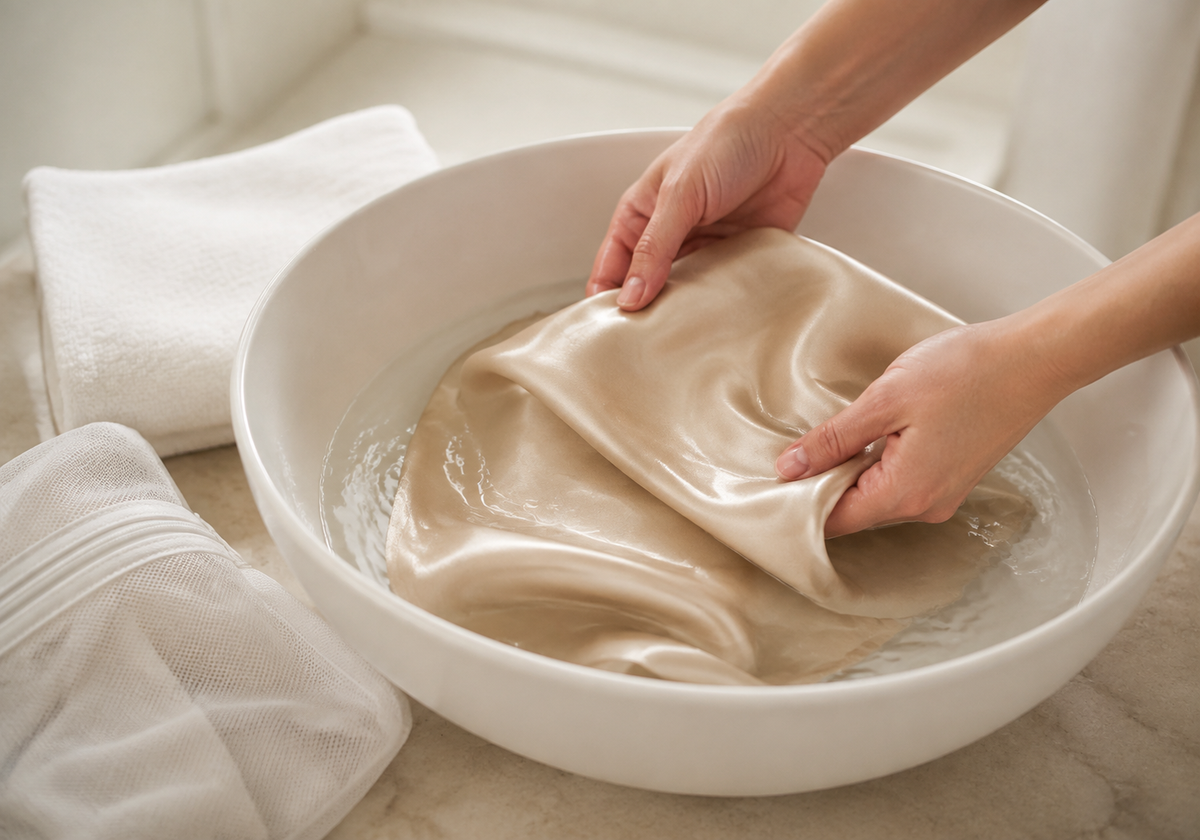
Silk requires a gentler routine:
-
Use cold or lukewarm water.
-
Select a delicate cycle or wash gently by hand.
-
Use a mild detergent suitable for silk.
-
Avoid bleach and fabric softener.
-
Place the pillowcase in a mesh laundry bag when machine-washing.
-
Air-dry away from strong sunlight and direct heat.
Silk care takes a little more attention, but it does not have to be complicated. A consistent, gentle routine can help preserve the fabric’s softness, color, and surface.
For detailed instructions, read our guide: How to Wash a 22 Momme Silk Pillowcase.
Price and Long-Term Value
Satin pillowcases are usually the more affordable option. They can be practical for shoppers who want a smooth sleeping surface without making a larger initial investment.
A genuine silk pillowcase costs more because natural silk is more expensive to produce, process, weave, and sew. Momme weight, silk grade, construction, stitching, closure, and whether the pillowcase is silk on both sides also influence the final price.
Price alone does not determine whether a pillowcase is right for you. The better question is what you expect from it.
Choose satin if you value:
-
A lower purchase price
-
Easy washing
-
A smooth surface
-
A simple introduction to low-friction bedding
Choose silk if you value:
-
A natural fiber
-
Greater breathability
-
A soft, refined feel
-
A more elevated sleep experience
-
Long-term use with proper care
Why Choose a 22 Momme Silk Pillowcase?
Not all silk pillowcases feel or perform the same way.
A very lightweight silk fabric may feel delicate but can be less substantial. A much heavier fabric may be durable but may not have the light, fluid feel some sleepers prefer.
For everyday bedding, 22 momme provides a considered middle ground. It offers enough density for regular use while preserving the softness and drape that make silk distinctive.
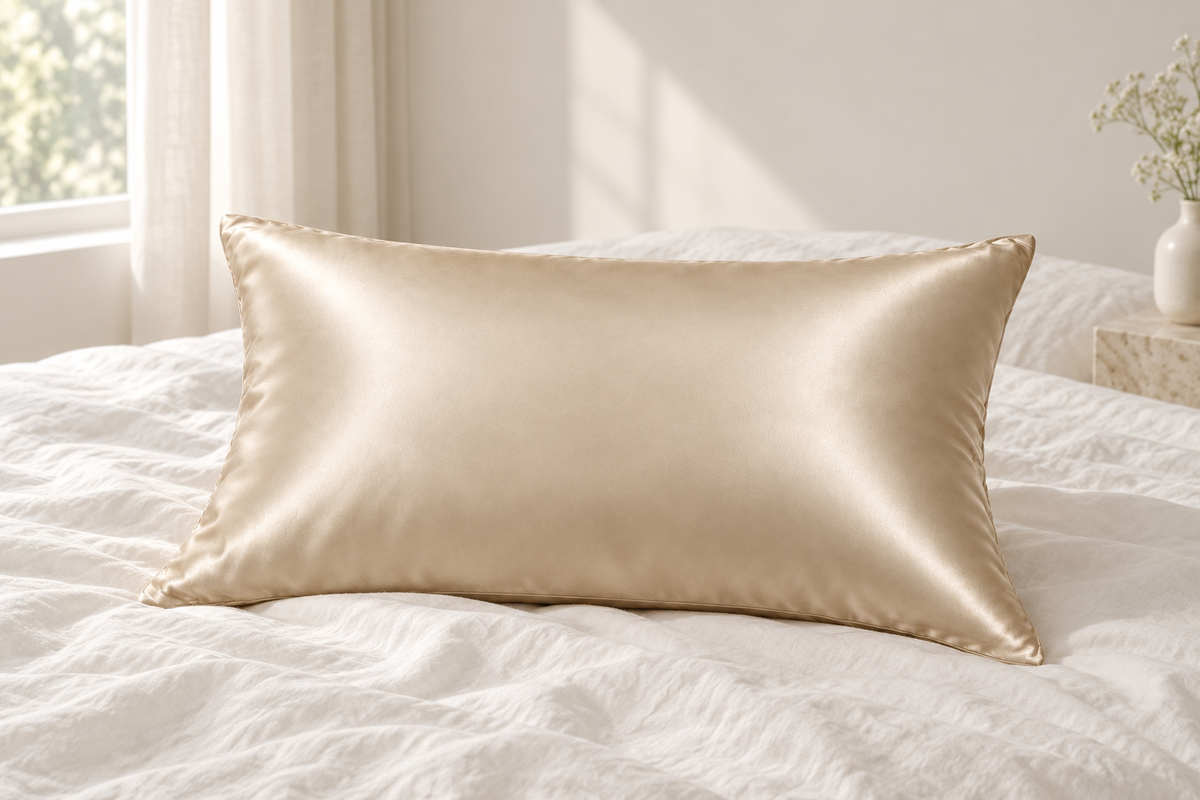
Muse & Airy pillowcases are made with 22 momme, 100% mulberry silk on both sides, with a hidden zipper designed to help keep the pillow securely in place.
To understand how momme affects the feel and construction of a pillowcase, read 19 vs 22 Momme Silk Pillowcases: What’s the Difference?

MUSE & AIRY
22 Momme Mulberry Silk Pillowcase
Queen · 20 × 30 in / 51 × 76 cm
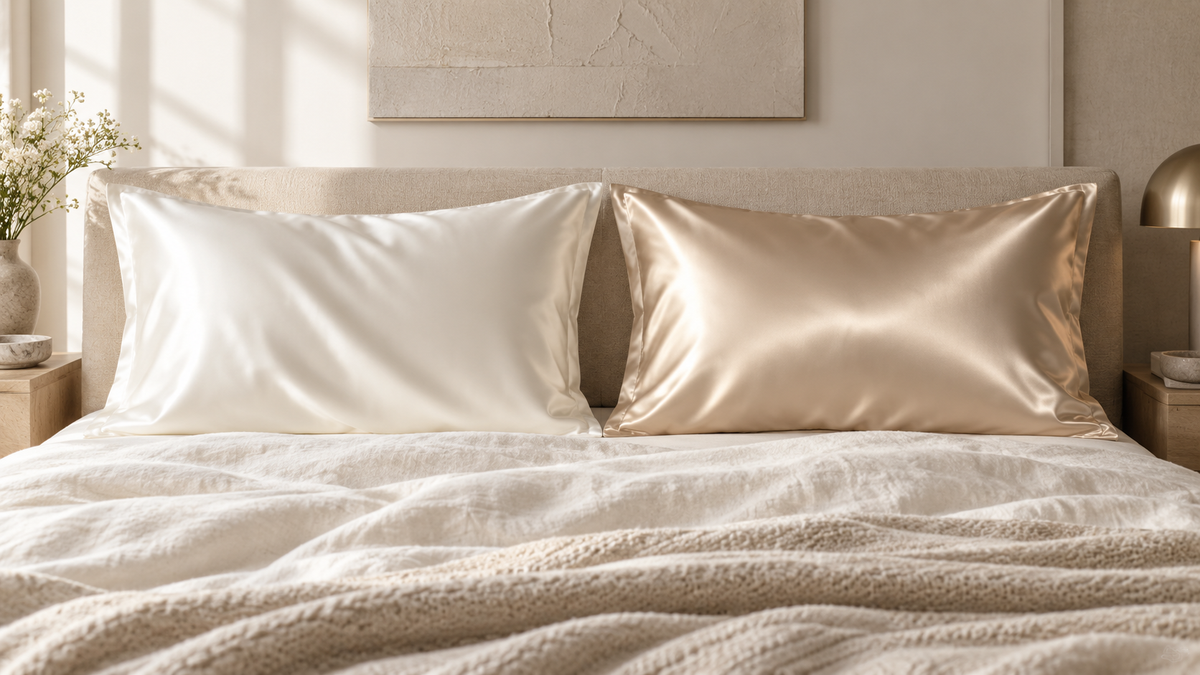
Pearl White · Silver Gray · Champagne
Includes one pillowcase. Pillow insert not included.
Shop the Pillowcase →Choose your color and view current pricing.
So, Should You Choose Silk or Satin?
There is no single answer for every sleeper.
A polyester satin pillowcase can be a sensible, budget-friendly option for anyone primarily looking for a smooth surface and easy maintenance.
A silk pillowcase is better suited to someone who wants that smoothness along with natural fibers, breathability, a more refined texture, and a more luxurious nightly experience.
The key is to look beyond shine. Read the fiber label, consider how you sleep, and decide which qualities matter enough to become part of your everyday routine.
Frequently Asked Questions
Is satin the same as silk?
No. Silk is a natural fiber, while satin is a type of weave. Satin can be made from silk, but most affordable satin pillowcases are made from polyester or other synthetic fibers.
Can satin pillowcases still be good for hair?
Yes. Their smooth surface may help reduce friction and pulling compared with rougher fabrics. Silk offers a similarly smooth surface while also providing the characteristics of a natural fiber.
Is silk always better than satin?
Not for every shopper. Satin is more affordable and generally easier to wash. Silk may be preferable for people who prioritize natural materials, breathability, texture, and long-term comfort.
How can I tell whether a pillowcase is genuine silk?
Check the fiber-content label. Look for a clear statement such as “100% silk” or “100% mulberry silk,” along with the momme weight. Words such as “silky,” “silk-feel,” and “satin” do not necessarily mean that the product contains silk.
Is a silk pillowcase difficult to wash?
Silk needs gentler care, but the process is manageable. Wash it in cold or lukewarm water with a silk-safe detergent, avoid bleach and fabric softener, and allow it to air-dry away from direct sunlight.
A Softer Choice for Every Night
Silk and satin can both provide a smoother alternative to conventional pillowcase fabrics. Satin offers accessibility and convenience, while silk brings together softness, breathability, natural fibers, and a more elevated feel.
The best choice is not simply the shiniest fabric. It is the one that feels right against your skin, works with your routine, and continues to make bedtime something you look forward to.
Discover the Muse & Airy 22 Momme Mulberry Silk Pillowcase—made with double-sided silk, a hidden zipper, and thoughtfully selected details for softer nights and brighter mornings.